Block Wall Installation in Norwalk, CT
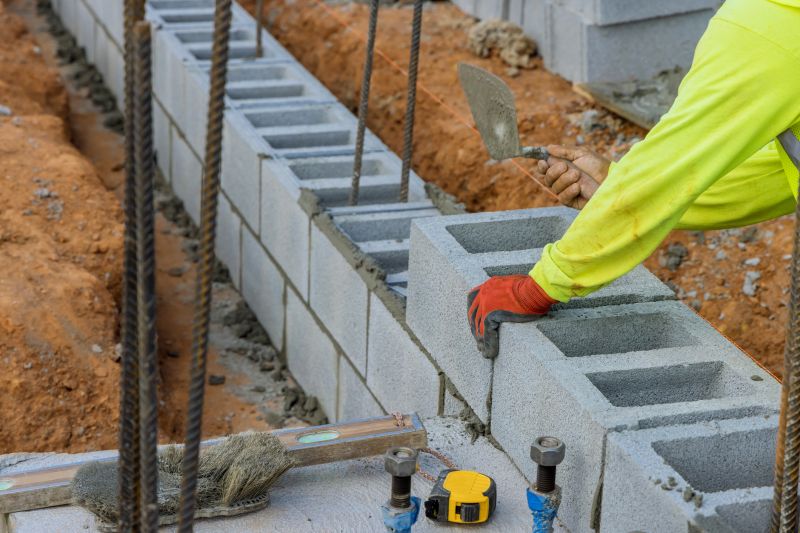
Block wall installation services involve constructing durable and attractive walls using concrete blocks, bricks, or similar materials. These walls are commonly used for creating property boundaries, enhancing privacy, supporting landscaping features, or enclosing outdoor spaces. Homeowners often request block walls for their strength, low maintenance, and versatility, making them suitable for a variety of projects such as garden enclosures, retaining walls, or decorative fencing. Before requesting installation, property owners should consider factors like the intended purpose, desired height and design, soil conditions, and any local regulations or permits that may apply.
It’s important for property owners to understand the scope of the project, including the type of blocks or materials to be used, the foundation requirements, and the overall aesthetic. Clarifying these details helps ensure the finished wall meets expectations for durability and appearance. Additionally, understanding the process involved, such as excavation, footing preparation, and finishing touches, can assist in planning for the project’s impact on the property. Proper planning and clear communication can contribute to a successful installation that enhances the property's functionality and curb appeal.
Many property owners in Norwalk, CT look into Block Wall Installation for repairs, replacements, upgrades, and appearance-related improvements.
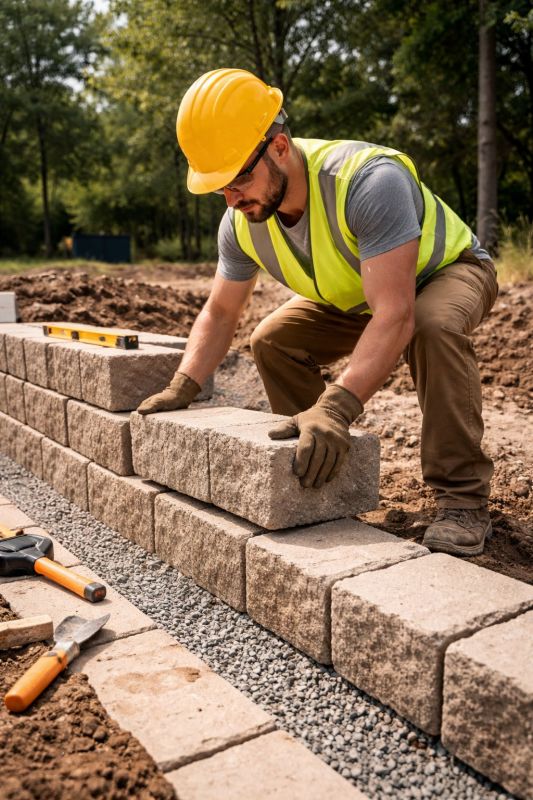
Durable Boundary Walls
Block walls provide a sturdy barrier for privacy and security around properties in norwalk, ct.
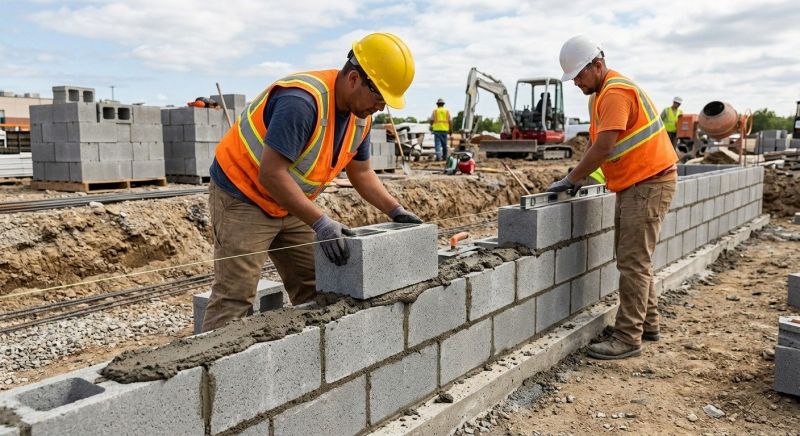
Custom Design Options
Many homeowners choose block walls for their versatility in styles, colors, and finishes to match their landscape.
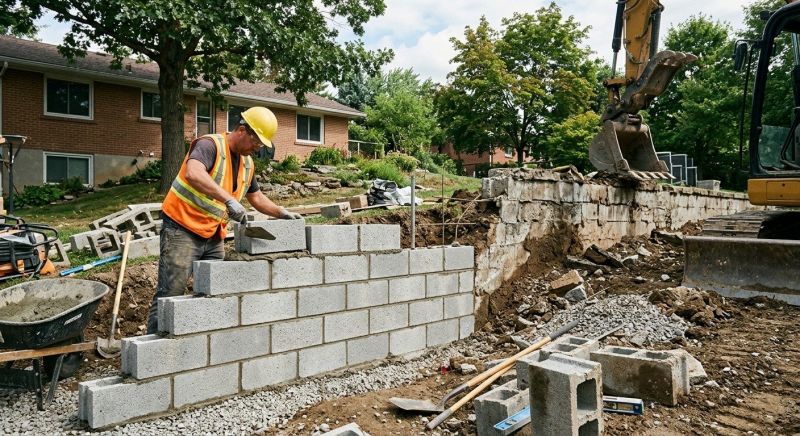
Functional Landscaping Features
Block walls are often used to create retaining walls, garden enclosures, or decorative accents in outdoor spaces.
Block Wall Installation in Norwalk, CT
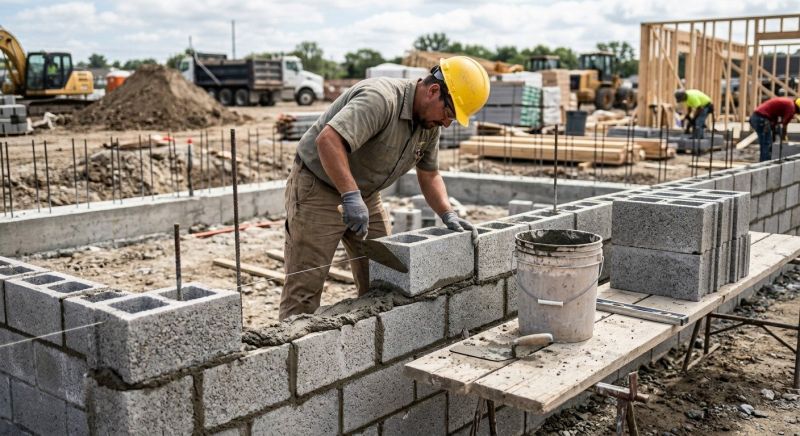
Block wall installation services involve constructing durable and attractive walls using concrete blocks, bricks, or similar materials. These walls are commonly used for creating property boundaries, enhancing privacy, supporting landscaping features, or enclosing outdoor spaces. Homeowners often request block walls for their strength, low maintenance, and versatility, making them suitable for a variety of projects such as garden enclosures, retaining walls, or decorative fencing. Before requesting installation, property owners should consider factors like the intended purpose, desired height and design, soil conditions, and any local regulations or permits that may apply.
It’s important for property owners to understand the scope of the project, including the type of blocks or materials to be used, the foundation requirements, and the overall aesthetic. Clarifying these details helps ensure the finished wall meets expectations for durability and appearance. Additionally, understanding the process involved, such as excavation, footing preparation, and finishing touches, can assist in planning for the project’s impact on the property. Proper planning and clear communication can contribute to a successful installation that enhances the property's functionality and curb appeal.
Many property owners in Norwalk, CT look into Block Wall Installation for repairs, replacements, upgrades, and appearance-related improvements.
Common Block Wall Installation Jobs
Residential property boundaries - block walls define clear property lines and enhance privacy.
Garden and landscape borders - durable block walls create attractive borders around gardens and yards.
Retaining walls - sturdy block structures help manage soil and prevent erosion on sloped properties.
Privacy enclosures - block walls provide seclusion for outdoor living spaces and patios.
Security barriers - strong block walls add a layer of security around homes and commercial sites.
Fire-resistant barriers - block walls serve as firebreaks and safety features in outdoor areas.
Block Wall Installation Questions
What types of projects are suitable for block wall installation? Block walls are ideal for property boundaries, retaining walls, and decorative garden enclosures in residential and commercial settings.
How long does a typical block wall installation take? The duration depends on the size and complexity of the project, but installation generally progresses over several days.
What are common materials used for block walls? Concrete blocks, cinder blocks, and decorative brick blocks are frequently used options for durability and aesthetic appeal.
What should property owners consider before installing a block wall? It's important to evaluate the purpose of the wall, site conditions, and local regulations to ensure proper planning and compliance.
Request Block Wall Installation in Norwalk, CT
Use the quote form on this page to share the basics of your project and request more information for the type of work you need.